
Article
South Asia - a cultural overview
South Asia, comprising the countries of India, Pakistan, Bangladesh, Nepal, Sri Lanka, Bhutan, and the Maldives, is a region rich in cultural diversity, with each country contributing its unique traditions, languages, religions, and historical backgrounds. Here are some key cultural aspects of South Asia:
Languages and Literature: South Asia is home to a multitude of languages and dialects. Major languages include Hindi, Bengali, Tamil, Urdu, Sinhala, Punjabi, and Nepali, among others. The region has a rich literary heritage, with classical texts such as the Mahabharata, Ramayana, and the works of poets like Rabindranath Tagore.
Religions: The region is the birthplace of several major world religions, including Hinduism, Buddhism, Jainism, and Sikhism. Islam is also predominant in Pakistan and Bangladesh, while Nepal is a mix of Hindu and Buddhist traditions. These religions influence daily life, festivals, rituals, and the social fabric of the communities.
Cuisine: South Asian cuisine is known for its bold flavors, aromatic spices, and diverse dishes. Staples include rice, lentils, and breads like roti and naan. Each country has its own specialties—India is famous for its curries and masalas, Bangladesh for its seafood, Pakistan for its kebabs and biryani, and Sri Lanka for its rice and curry platters.
Festivals and Celebrations: Festivals are central to South Asian cultures, reflecting the rich religious and cultural life of the region. Notable festivals include Diwali, Holi, Eid, Vesak, and Durga Puja. These festivals are often colorful and vibrant, involving rituals, dances, music, and feasting.
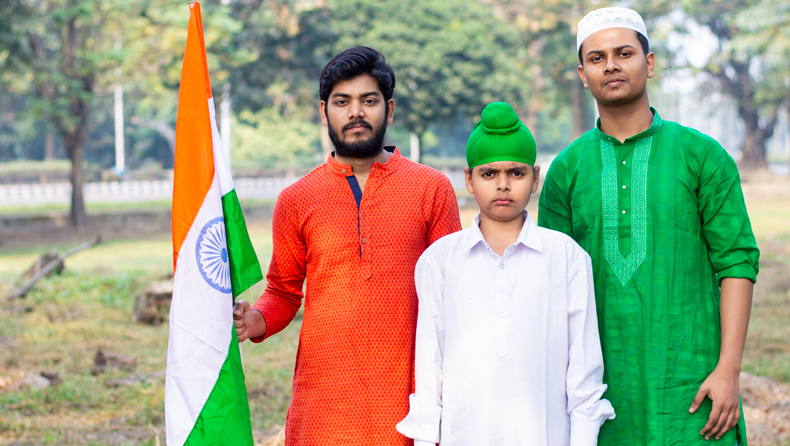
Traditional Clothing: Clothing in South Asia varies by country but is deeply influenced by tradition. In India and Bangladesh, women commonly wear sarees or salwar kameez, while men wear kurta-pajamas. In Pakistan, shalwar kameez is popular among both men and women. Traditional dress often features intricate embroidery and bright colors.
Arts and Music: South Asia has a diverse tradition of arts and music, with classical music systems such as Hindustani and Carnatic music being prominent. Dance forms like Bharatanatyam, Kathak, and Odissi (India), and other regional dances are also integral to cultural expressions.
Architecture:The architecture of South Asia includes a variety of styles, from the ancient Buddhist stupas and Hindu temples to the Islamic architecture of Mughal monuments such as the Taj Mahal. The blend of architectural styles reflects the historical and cultural amalgamation of the region.
Family and Social Structure: Family is a central unit in South Asian societies, often characterized by extended family models where multiple generations live together or maintain strong bonds. Social interactions are influenced by deeply rooted systems of hierarchy and respect, often governed by age and gender.
South Asia’s cultures are continually evolving, yet they retain deep roots in tradition, offering a fascinating study of continuity and change. The region’s cultural diversity is a testament to its complex history and the resilience and adaptability of its people.